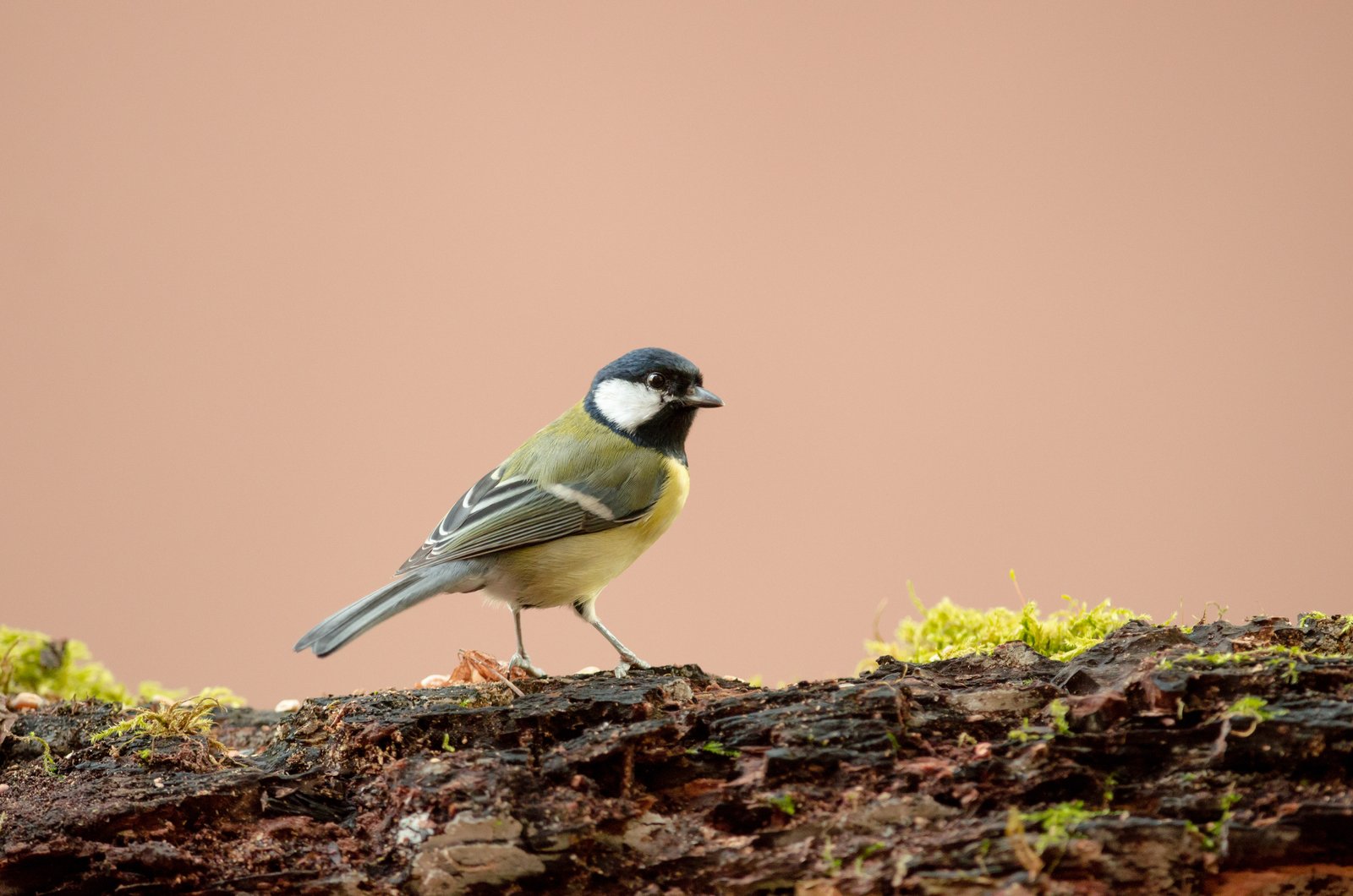
Sparrow
Ecological importance

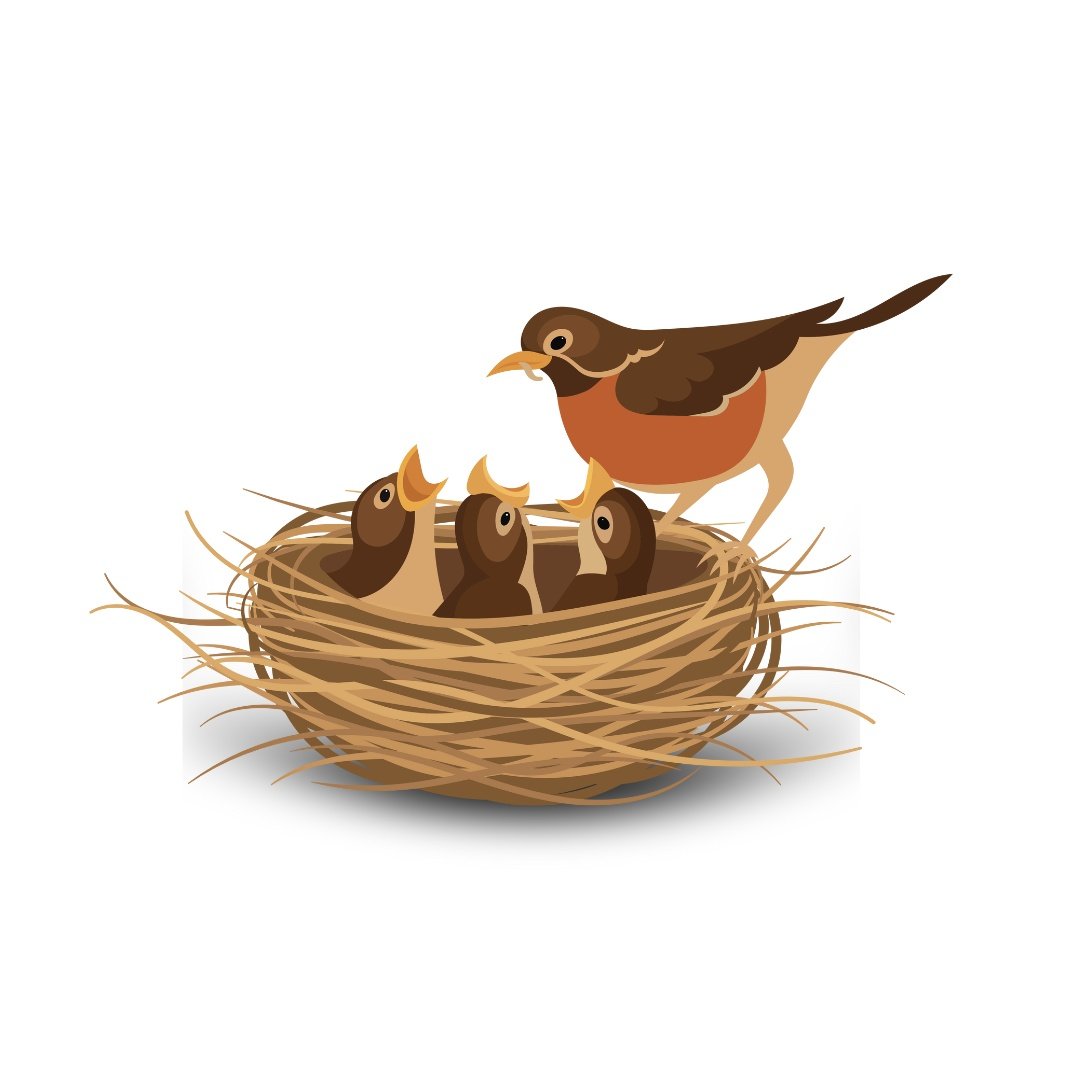
Sparrows play a vital role in the ecosystem by controlling insect populations, especially during breeding when they feed insects to their young. They also help in seed dispersal and maintain ecological balance in urban and rural areas. As common birds, their presence often indicates a healthy environment.
  • Help control insect populations naturally, reducing pests in farms and gardens.

  • Aid in seed dispersal, promoting plant growth and forest regeneration.

  • Serve as a food source for predators like hawks, owls, and snakes.

  • Act as indicators of environmental health—decline signals habitat issues.

  • Support biodiversity in both urban and rural ecosystems.
  • Role in Agriculture

    Sparrows are natural allies to farmers. By feeding on a variety of insects and pests that damage crops, sparrows help in maintaining healthier fields and reducing the dependence on chemical pesticides. Their presence in agricultural areas supports sustainable farming practices and promotes better crop yields.

  • Natural Pest Management: Sparrows eat caterpillars, beetles, grasshoppers, and aphids that harm crops.

  • Reduces Chemical Use: By controlling pest populations naturally, sparrows lessen the need for harmful pesticides.

  • Improves Crop Health: Fewer pests mean healthier plants and better harvests.

  • Cost-Effective Solution: Encouraging sparrow populations can save farmers money on pest control methods.

  • Supports Biodiversity: Maintaining sparrow-friendly environments encourages a richer, more balanced ecosystem in farmland.
  • Cultural & Traditional Significance

    Sparrows are natural allies to farmers. By feeding on a variety of insects and pests that damage crops, sparrows help in maintaining healthier fields and reducing the dependence on chemical pesticides. Their presence in agricultural areas supports sustainable farming practices and promotes better crop yields.

  • Natural Pest Management: Sparrows eat caterpillars, beetles, grasshoppers, and aphids that harm crops.

  • Reduces Chemical Use: By controlling pest populations naturally, sparrows lessen the need for harmful pesticides.

  • Improves Crop Health: Fewer pests mean healthier plants and better harvests.

  • Cost-Effective Solution: Encouraging sparrow populations can save farmers money on pest control methods.

  • Supports Biodiversity: Maintaining sparrow-friendly environments encourages a richer, more balanced ecosystem in farmland.