Sparrow Decline
Sparrow populations are rapidly declining due to habitat loss, pollution, urbanization, and lack of nesting spaces, threatening ecological balance globally.
Read More
This is a short description about Sparrow One.
This is a short description about Sparrow Two.
This is a short description about Sparrow Three.
This is a short description about Sparrow Four.
This is a short description about Sparrow Five.
This is a short description about Sparrow Six.
Sparrows eat insects and pests, helping farmers and gardeners protect crops naturally.
A drop in sparrow populations signals pollution and ecological imbalance in urban areas.
Sparrows play a vital role in the food chain and support the balance of urban ecosystems.
Sparrows have been part of our homes and memories, symbolizing harmony with nature.
By feeding on grains and seeds, sparrows help in natural seed dispersal and plant growth.
Observing sparrows encourages curiosity, empathy, and awareness about wildlife in young minds.
Sparrows maintain ecological balance by controlling insects, dispersing seeds, and aiding pollination. They support biodiversity and are vital in the food chain. Their presence signals a healthy environment, highlighting the need for their conservation.
Sparrows play a key role in agriculture by feeding on harmful insects and pests, reducing the need for chemical pesticides. They help protect crops naturally, contributing to healthier, more sustainable farming and improved agricultural productivity.
Sparrows hold cultural significance in many societies, symbolizing joy, simplicity, and community. They often appear in folklore, songs, and literature, reflecting emotions and everyday life, and reminding people of the beauty in ordinary moments.
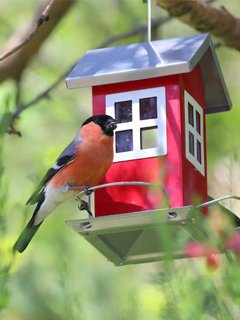
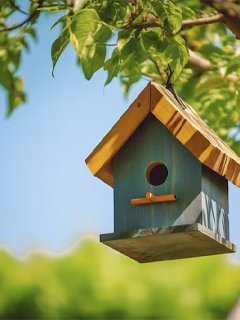
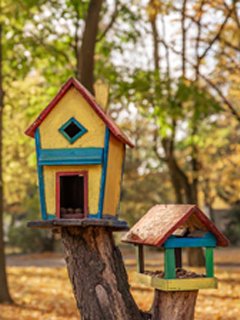
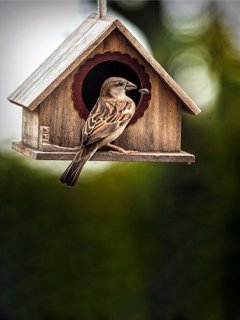
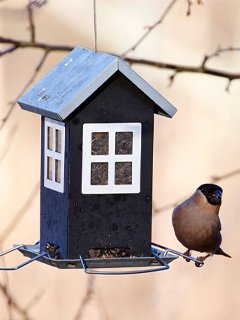
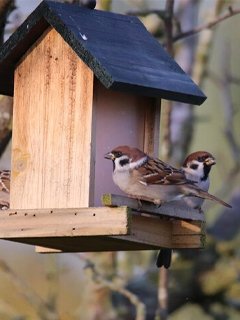
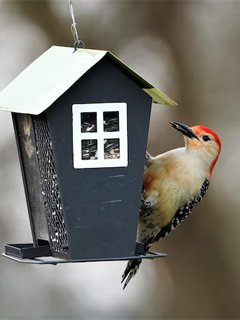
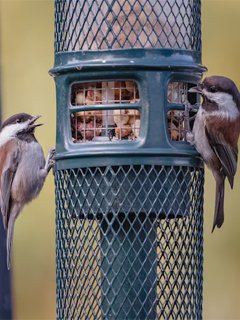
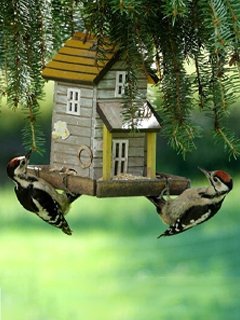
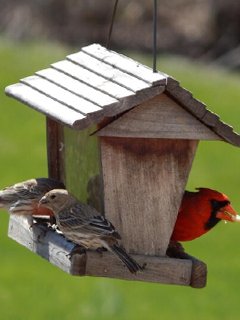
Sparrow conservation is vital for sustaining biodiversity and ecological balance. Sparrows help control harmful insect populations, pollinate plants, and support seed dispersal. However, urbanization, pollution, and excessive pesticide use have led to a rapid decline in their numbers. Raising awareness and protecting their natural habitats are key to their survival.
Conservation efforts should focus on creating bird-friendly environments by planting native trees, reducing pesticide use, and providing food and nesting spaces. Community participation, school programs, and environmental campaigns can spread awareness about sparrow protection. By conserving sparrows, we protect a crucial link in the food chain and promote healthier ecosystems.
Sparrows are essential for a balanced ecosystem. By preserving their habitats and spreading awareness, we can help restore their populations and maintain the natural harmony between wildlife, agriculture, and urban life.
Habitat Loss - Urbanization has reduced natural nesting spaces like eaves, holes, and hedges.
Pollution - Air, noise, and light pollution negatively affect sparrow health and behavior.
Mobile Towers - Electromagnetic radiation may disrupt sparrows' navigation and breeding.
Pesticide Use - Reduces insect populations, depriving sparrows of a vital food source, especially for chicks.
Modern Architecture - New buildings lack crevices where sparrows traditionally nested.
Food Scarcity - Decline in grains and insects limits sparrow diets.
Predators - Increase in cats and crows in urban areas poses a danger to eggs and chicks.
Adapting to Urban Environments - Rapid urbanization reduces green spaces and nesting sites.
Finding Food - Insects and grains are scarce due to pollution and pesticide use.
Breeding Issues - Lack of safe nesting spots affects reproduction.
Environmental Changes - Climate change and rising temperatures disturb natural behavior and survival.
Human Neglect - People are less aware or concerned about sparrow conservation.
Noise and Radiation - Constant exposure to noise and mobile radiation disrupts communication and navigation.
Species Competition - Pigeons and mynas outcompete sparrows for food and nesting spaces.
*Conclusion: Saving the sparrow means restoring harmony in nature. Small steps like putting up bird feeders, planting native flora, and reducing pesticide use can make a big difference.
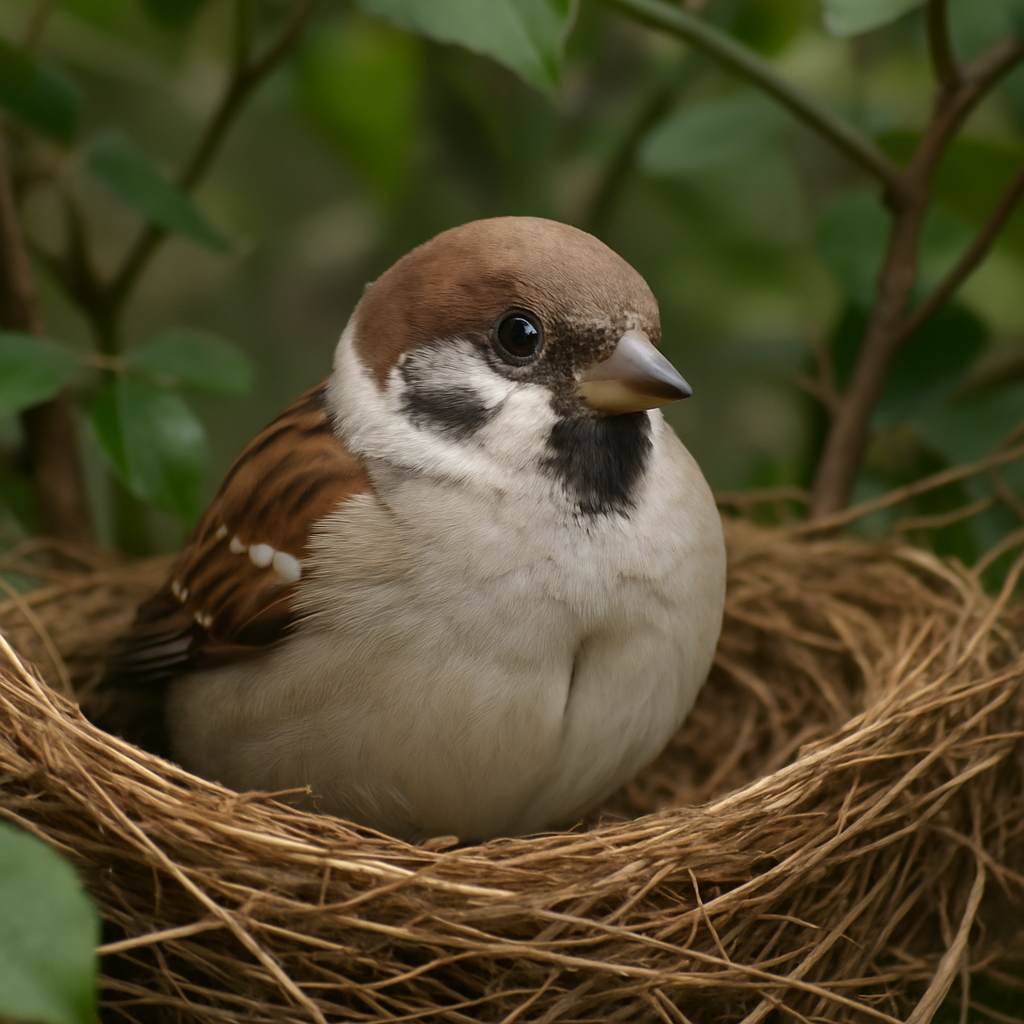
Sparrow populations are rapidly declining due to habitat loss, pollution, urbanization, and lack of nesting spaces, threatening ecological balance globally.
Read More
Urban threats like pollution, noise, mobile towers, and habitat destruction disrupt sparrows' nesting, feeding, and survival in city environments.
Read More
Conservation efforts include planting native trees, reducing pesticides, setting up nest boxes, and raising awareness to protect and restore sparrow populations.
Read More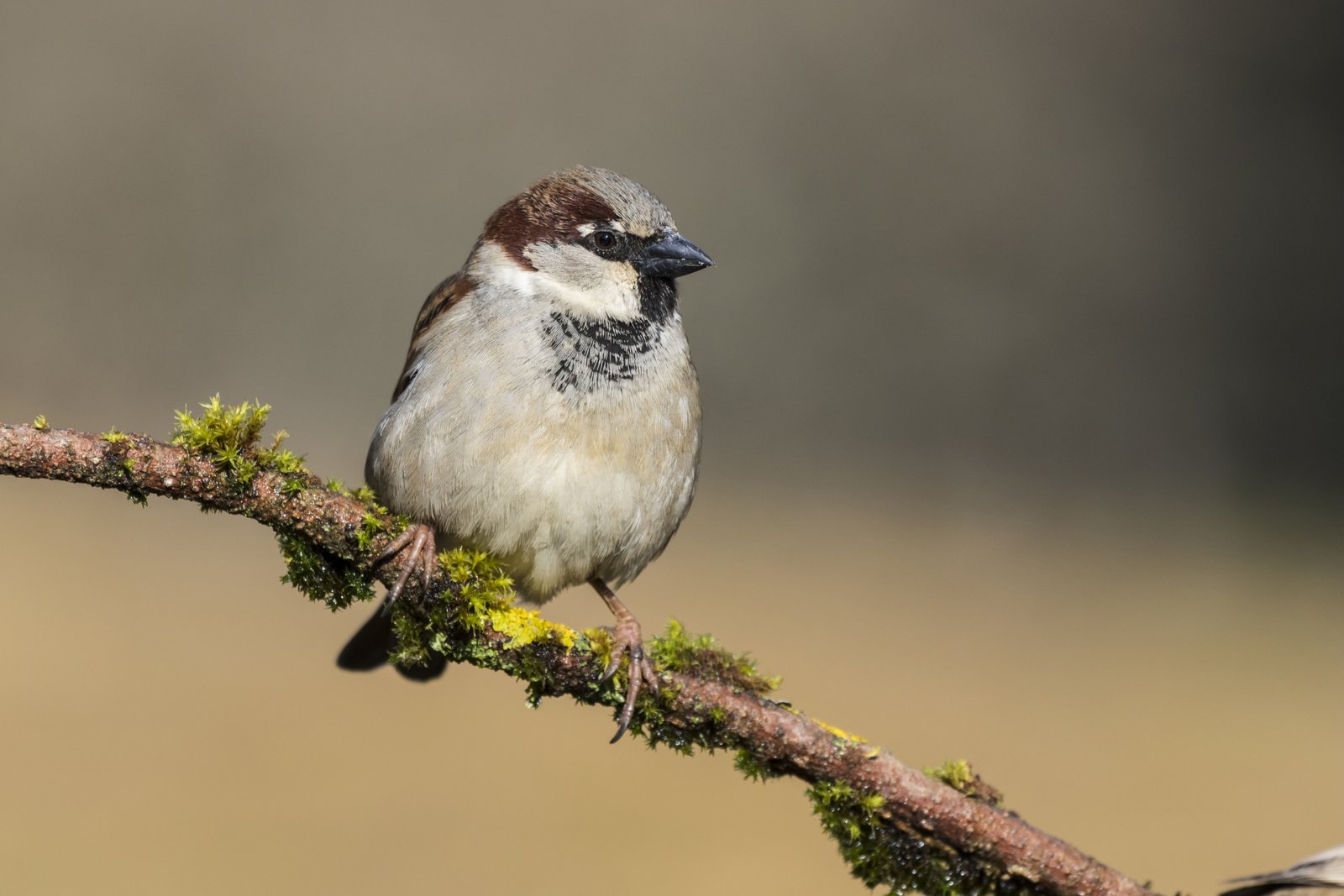
You can help sparrows by creating a safe and welcoming environment. Provide food like grains and seeds in feeders, and ensure clean water is available for drinking and bathing. Install nest boxes or allow natural nesting spaces like wall crevices and bushes. Avoid using harmful pesticides in gardens, as these reduce insect food sources. Plant native trees and shrubs to offer shelter and nesting material. Educate others about the importance of sparrows and support local conservation efforts. Even small actions can make a big difference in protecting these valuable birds and encouraging their return to our surroundings.
Helping sparrows also involves protecting their natural habitats from destruction due to urban development and pollution. Supporting green spaces in cities, reducing noise, and limiting plastic waste can create a more sparrow-friendly environment. Participating in bird counts and local conservation programs helps monitor their population and guides effective conservation strategies. Encouraging schools and communities to build birdhouses and maintain gardens can engage more people in sparrow protection. By understanding their needs and acting responsibly, we can ensure that sparrows continue to thrive and bring life to our neighborhoods.